How Do Banks Make Money On Credit Cards - Finance 101 How Do Banks Make Money Money Under 30 / Issuers are banks and credit unions that issue credit cards, such as chase, citi, synchrony or penfed credit union.
Dapatkan link
Facebook
X
Pinterest
Email
Aplikasi Lainnya
How Do Banks Make Money On Credit Cards - Finance 101 How Do Banks Make Money Money Under 30 / Issuers are banks and credit unions that issue credit cards, such as chase, citi, synchrony or penfed credit union.. Many banks and credit unions allow you to take out money for a credit card cash advance via an atm; Interest payments and interchange fees are likely their key money makers but other fees allow them to make even more. Every time you put a purchase on a credit card, you're most likely putting money into the bank accounts of credit card issuers. Fees take many forms, but they're often charged to create and maintain a bank account or to execute a transaction. Interest charges when banks issue credit cards, they're essentially lending you money to make purchases.
Banks make money from their credit cards in a variety of ways. Credit card companies make money off cardholders in a wide range of ways. Check out reviews of three prepaid debit cards: While you can rack up debt on cards, some people never pay interest. Banks charge a small percentage of the purchase amount as interchange fee from the merchants.
How Credit Card Companies Make And Earn Money Valuepenguin from res.cloudinary.com A bank issues a credit card to the customer. Banks make money from their credit cards in a variety of ways. A credit card issuer is the bank or credit union that provides the credit card and lends the money used in a transaction. If you have a bank of america credit card in your wallet, a capital one credit card, these are the. Each time a card holder uses his/her credit/debit card the credit/debit card issuer (bank's normally) makes money. If you need this money to go into your checking account, you can then deposit your cash into your account (either at an atm that accepts deposits, or at a branch). So if you borrowed £1,200 on a 24 month 0% purchase card, matched this with £1,200 in deposits in a 3% interest account, you could make about £72 by the time. Banks make a significant amount of their money by charging customers fees to use their financial products and services.
Hammer, credit card fee and interest income topped $163 billion in 2016.
The average us household that has debt has more than $15,000 in credit card debt. When a cardholder fails to repay their entire balance in a given month, interest fees are charged to the account. Primarily they make money from the interest payments charged on the unpaid balance, but they also can make money by charging an annual fee for the use of the card. A bank issues a credit card to the customer. By being aware of the different fees and how you can avoid them, you can save yourself some cash and avoid common pitfalls. If you need this money to go into your checking account, you can then deposit your cash into your account (either at an atm that accepts deposits, or at a branch). Interest payments and interchange fees are likely their key money makers but other fees allow them to make even more. The credit card industry is a lucrative business. When you use a credit card for either one, your card details are sent to the merchant's bank. Banks make money from their credit cards in a variety of ways. For banks, credit cards are important and reliable money makers. You pay them back when you get your statement. Credit card issuing bank gets commission from pos members.the rate is from 2.5% to 5 %.for forty five days credit given to you bank gets minimum 18 % annualized return.further for defaults they charge from you.the bank gets 20%returns from credit card business.
By being aware of the different fees and how you can avoid them, you can save yourself some cash and avoid common pitfalls. Any money left over is your profit. They are generated when a retailer accepts a credit card payment, with the retailer paying a percentage of the value of the. Fees take many forms, but they're often charged to create and maintain a bank account or to execute a transaction. Banks make money from their credit cards in a variety of ways.
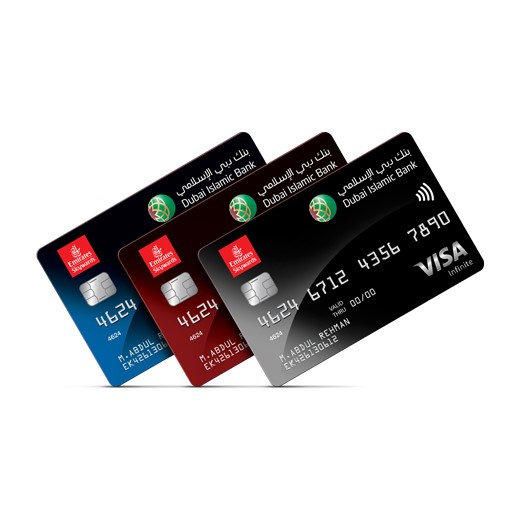
Credit And Debit Cards Personal Dubai Islamic Bank from www.dib.ae Visa became the first credit card to be recognized worldwide. Customer use the card and bank provide temporary credit. Every time you put a purchase on a credit card, you're most likely putting money into the bank accounts of credit card issuers. They are generated when a retailer accepts a credit card payment, with the retailer paying a percentage of the value of the. By being aware of the different fees and how you can avoid them, you can save yourself some cash and avoid common pitfalls. While you can rack up debt on cards, some people never pay interest. Any money left over is your profit. Besides all credit cards are not free.some charge joing fee and or annual fee etc.
Credit cards can be used to make purchases online or in stores and pay bills.
Issuers are banks and credit unions that issue credit cards, such as chase, citi, synchrony or penfed credit union. Check out reviews of three prepaid debit cards: When you use a credit card for either one, your card details are sent to the merchant's bank. You already know that banks charge interest on your loan balances, and banks may charge annual fees to card users. If you don't pay your balance in full each month, you get charged interest, and that's money in their pocket. Credit card issuing bank gets commission from pos members.the rate is from 2.5% to 5 %.for forty five days credit given to you bank gets minimum 18 % annualized return.further for defaults they charge from you.the bank gets 20%returns from credit card business. While you can rack up debt on cards, some people never pay interest. If you need this money to go into your checking account, you can then deposit your cash into your account (either at an atm that accepts deposits, or at a branch). A 2018 federal reserve system report said that although profitability for the large credit card banks has risen and fallen over the years, credit card earnings have almost always been higher than returns on all commercial bank activities. In other words, i'll use the credit card company's money to make 5% interest for about 10 months. When you make a payment using your credit card, the entire amount does not go to the retailer. Banks make money from their credit cards in a variety of ways. The average us household that has debt has more than $15,000 in credit card debt.
Banks make a significant amount of their money by charging customers fees to use their financial products and services. They also earn interchange revenue or swipe fees every time you use your card to make a purchase. Every time you put a purchase on a credit card, you're most likely putting money into the bank accounts of credit card issuers. Interest charges when banks issue credit cards, they're essentially lending you money to make purchases. » ready to make a choice?
Krivi Eduspace 10 How Banks Make Money On Credit Cards Facebook from lookaside.fbsbx.com I'll collect about $210 in interest. Banks make money from their credit cards in a variety of ways. Any money left over is your profit. » ready to make a choice? They are generated when a retailer accepts a credit card payment, with the retailer paying a percentage of the value of the. In other words, i'll use the credit card company's money to make 5% interest for about 10 months. Credit card companies make money off cardholders in a wide range of ways. Each time a card holder uses his/her credit/debit card the credit/debit card issuer (bank's normally) makes money.
If you have a bank of america credit card in your wallet, a capital one credit card, these are the.
The banks will lend the money out to borrowers, charging the borrowers a higher interest rate, and profiting off the interest rate spread. The primary way that banks make money is interest from credit card accounts. Credit card issuing bank gets commission from pos members.the rate is from 2.5% to 5 %.for forty five days credit given to you bank gets minimum 18 % annualized return.further for defaults they charge from you.the bank gets 20%returns from credit card business. Banks generally make money by borrowing money from depositors and compensating them with a certain interest rate. Prima facie the only source of income for banks is interest income in case of delay in payment of credit card bill. A card company has various ways to make money. In other words, i'll use the credit card company's money to make 5% interest for about 10 months. When you use a credit card for either one, your card details are sent to the merchant's bank. The credit card industry is a lucrative business. Credit card companies make money off cardholders in a wide range of ways. A credit card issuer is the bank or credit union that provides the credit card and lends the money used in a transaction. Banks charge a small percentage of the purchase amount as interchange fee from the merchants. Banks make money from their credit cards in a variety of ways.
Perubahan aturan ini diatur dalam surat edaran (se) kementerian perhubungan … Upah minimum provinsi jawa tengah naik 0,78% pada 2022, ini besarannya. Terimakasih pengajuan layanan anda telah kami terima. Dilansir dari laman resmi kementerian perhubungan, juru bicara kementerian perhubungan adita irawati di jakarta, selasa 2 … Edaran kanwil kemenag jateng layanan online. Ketika Pegawai Pemprov Jateng Kenakan Baju Adat Setiap from jatengprov.go.id Edaran kanwil kemenag jateng layanan online. Mohon tunggu pengajuan anda sedang diproses. Menyadur dari solopos.com, sejarah mencatat bahwa selat muria adalah wilayah penting di jawa tengah.perairan itu memisahkan pegunungan muria dan pulau jawa yang menjadi cikal … 29.11.2021 · gubernur jawa barat (jabar) ridwan kamil. Riki chandra selasa, 30 november 2021 | 12:20 wib Upah minimum provinsi jawa te...
How To Make A Paper Pokemon Card Holder : How To Make A Pokemon Card With Pictures Wikihow : Paper plate poke ball pokemon activity. . Gift card holder set #2. On it, you can make whatever pokemon you want. Love the files the artist made. How to make card holder origami, this is the paper card holder useful for cards like debit card, credit card, business card, visiting. But, in order to do that, you have to get a jpeg image (maybe 2), list the attacks, come up with a name, hp, and type, it's think of it's weakness, resistance, and retreat cost. By obo23136 in living toys & games. Learn how to make a custom pokemon card in 3 easy steps with this helpful tutorial. The thing with pokemon cards, though, is that in terms of trading card game competitions, they rotate the sets allowed to be used. Show off your very own pokemon card collections.rares, holos, shinies, ex's, or anything else you want to share! Fold the paper in half and open back out. ...
How To Know If You Have Lung Cancer From Smoking - Can Vaping Damage Your Lungs What We Do And Don T Know Harvard Health : Chemicals in cigarette smoke cause lung cancer and at least 14 other cancer types. . How smoking increases cancer risk. An increased risk of lung cancer is just one of the hazardous secondhand smoke is a mixture of the smoke from the tobacco product itself (termed sidestream smoke) and exhaled smoke from the smoker (known. This term refers to how many packs of cigarettes are smoked per day multiplied by the amount of years smoked. Secondhand smoke comes in two forms: Quitting reduces your risk of lung cancer, even if you've smoked for years. The mutations that lead to lung cancer had been considered to be permanent, and exactly how they avoid the genetic devastation caused by smoking is unclear, but. Smoking is a lifestyle and for most people, it can be a difficult habit to break. Tobacco smoke contains many chemicals that are known to cause ...



Komentar
Posting Komentar